Blog
Planning Safer Pedestrian and Vehicle Routes on a Construction Site

On a busy construction site, a delivery route can cross a walkway, turn past a blind corner or change as work moves forward. A clear traffic plan helps drivers and pedestrians understand where to go and where they must not enter. Temporary barriers, signs and marked crossing points can support that plan when they are selected for the site and kept up to date.
Draw the routes before deliveries begin
Start with a simple site plan showing vehicle entrances, pedestrian entrances, work areas, storage, loading points, parking and emergency access. Mark the routes people and vehicles will actually use. Include visitors and delivery drivers who may be unfamiliar with the layout, not only regular site staff.
Where possible, separate pedestrian and vehicle routes and minimise unnecessary vehicle movements. HSE recommends planning suitable routes and considering separate gateways, direct walkways, visible crossings, signs and barriers where needed. Plan crossings where both drivers and pedestrians can see each other.
Use barriers to support separation
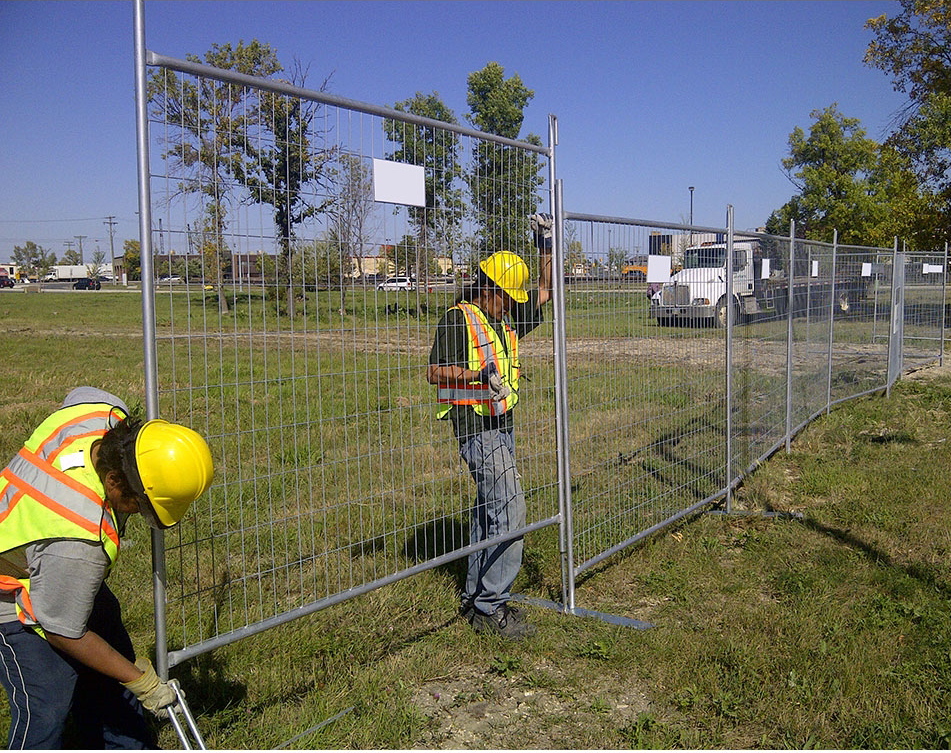
A barrier can make a route boundary easier to recognise and help prevent pedestrians stepping into a vehicle path. Choose a system suited to its location and purpose, then place it so it does not create a new obstruction or block an emergency route. Think about corners, reversing areas, loading bays and places where people may take a shortcut.
Barriers are one part of traffic management. They do not replace trained vehicle operators, suitable supervision, clear site rules or a safe system for deliveries. Keep signs easy to see and use consistent instructions so drivers and pedestrians can follow the intended route.
Plan for turning, visibility and changing conditions
Review vehicle turning areas and try to avoid reversing where the layout allows. If reversing cannot be avoided, decide how the manoeuvre will be controlled and how pedestrians will be kept clear. Check sightlines at gates, bends and crossing points; stored materials, parked vehicles, temporary cabins and changing ground levels can all affect visibility.
Consider lighting and surface condition for the hours and weather in which the routes will be used. A route that is clear in daylight may be harder to follow in darkness or poor weather. Keep walkways clear and repair or redirect around damaged or muddy sections.
Review the plan as the work moves on
Site access and work areas change as a project progresses. Review the plan when a delivery area moves, new excavation or storage appears, or a route is closed. Tell affected workers and visiting drivers about changes before they enter the site. Assign someone to check barriers, signs and walkways routinely and after layout changes.
For works affecting a public road, footway or cycleway, use the relevant highway authority process and competent traffic-management advice. The Department for Transport’s Traffic Signs Manual includes guidance for temporary situations; a site traffic plan should not be treated as a substitute for approved roadworks arrangements.
Quick site traffic checklist
- Are pedestrian and vehicle routes shown clearly on the current site plan?
- Can people and vehicles use separate entrances and routes where practicable?
- Are crossings visible, signed and positioned where both sides can see?
- Do barriers protect people without blocking walkways or emergency access?
- Who updates the plan and tells drivers when site conditions change?
Explore Fencify’s traffic control range when considering temporary equipment for site routes. Always assess the actual site and follow the relevant HSE and highway-authority guidance.